
Market insight
Concrete Mixer Truck Buying Guide for Africa: Drum Sizes, Chassis and What to Check
A buyer-first guide to concrete mixer trucks for African work: drum sizes from 6 to 12 m³, 6x4 vs 8x4 chassis, HOWO, SHACMAN and FAW mixer chassis compared, and the drum, PTO and hydraulics checks that decide whether the truck earns money or eats it.
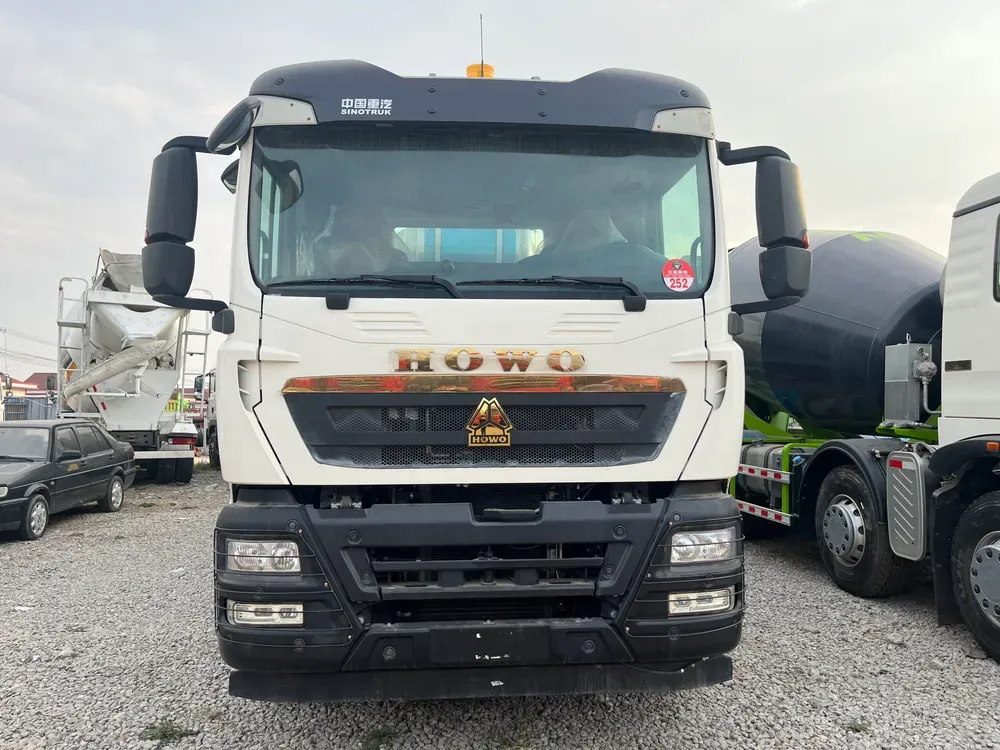
A concrete mixer truck is two machines in one: a truck chassis and a mixing drum that must keep turning from the batching plant to the pour. Buyers who check only the chassis buy the wrong truck. The drum, the power take-off (PTO), the hydraulics and the reducer decide whether the concrete arrives workable or sets solid inside a dead drum — and a dead drum is one of the most expensive repairs in the truck business. This guide covers the chassis, the drum and the checks, in the order that matters.
0. Quick verdict
| Job | Best starting point |
|---|---|
| Urban building sites, short runs from the plant | 6x4 chassis, 6–8 m³ drum, 350–380 HP class |
| City concrete supply, standard commercial work | 6x4 chassis, 8 m³ drum — the default mixer in Africa |
| Large pours, highway and infrastructure work | 8x4 chassis, 10–12 m³ drum, 380–420 HP class |
| Rough site roads, quarries, mining camps | 8x4 chassis, 10 m³ drum, heavy-duty suspension |
| Small sites, tight streets, low-volume work | 6x4 chassis, 6 m³ drum |
| Long hauls between plant and site | 6x4 or 8x4, drum in good condition, water tank full |
These are starting points. The drum's wear, the hydraulics and the exact chassis decide the real truck.
1. What a mixer truck actually is
A mixer truck has three working systems, and all three must be right:
- The chassis: a heavy truck chassis — usually 6x4 or 8x4 — carrying the drum, the water tank and the load. The chassis engine drives the truck and, through the PTO, the drum.
- The drum: a rotating steel drum with spiral blades inside. It mixes while it turns one way and discharges while it turns the other. Drum sizes on African export listings are commonly 6, 8, 10 and 12 m³. The drum's steel thickness, blade condition and internal wear decide how much concrete it actually carries and how cleanly it discharges.
- The drive system: the PTO takes power from the gearbox, an oil pump drives a hydraulic motor, and a planetary reducer turns the drum at a controlled speed — fast for mixing, slow for agitating on the road. If any part of this chain is weak, the drum stops, and stopped concrete sets.
A mixer that cannot turn its drum is not a mixer. It is a very heavy truck with a concrete-filled steel tube on the back.
2. Drum sizes: how much concrete, and what it costs you
| Drum | Typical chassis | Best for | Watch out for |
|---|---|---|---|
| 6 m³ | 6x4 | Small sites, tight streets, low-volume pours | Small loads mean more trips per pour |
| 8 m³ | 6x4 | The standard African mixer — city supply, commercial building | The most common size, so condition varies the most |
| 10 m³ | 8x4 | Large pours, infrastructure, highway work | Heavier, needs good roads and a strong chassis |
| 12 m³ | 8x4 | Big infrastructure pours, high-volume plants | Payload limits and axle-load rules in some countries |
The drum size is the nominal volume, not the working volume. A worn drum with thin steel and damaged blades carries less than its nameplate, discharges slowly, and leaves concrete stuck inside. Always ask for the drum's age, steel thickness and blade condition — not just the cubic metres.
3. Chassis: 6x4 vs 8x4
- 6x4 chassis: the default mixer chassis in Africa. Two drive axles, good turning, lower running cost, and enough payload for 6–8 m³ drums. It suits urban work, city concrete supply and standard building sites.
- 8x4 chassis: four axles, two of them driven, for 10–12 m³ drums and heavy work. It carries more, rides better loaded on rough ground, and suits infrastructure, highway and mining-camp work — but it costs more to run (more tyres, heavier, wider turning circle).
Match the chassis to the drum: a 10 m³ drum on a 6x4 chassis is overloaded, and a 6 m³ drum on an 8x4 chassis wastes money on every trip. The chassis and drum are sold as a pair — check both.
4. The three mixer chassis you will see most: HOWO, SHACMAN, FAW
| Chassis | Common lines | Typical power class | Notes for mixer work |
|---|---|---|---|
| HOWO (Sinotruk) | T5G, T7H | 336–430 HP | The most common mixer chassis in Africa; the widest parts and mechanic network, and the easiest drum to service |
| SHACMAN | H3000, X3000 | 336–430 HP | Weichai engines and Fast gearboxes; strong on price, widely used as mixer chassis |
| FAW (Jiefang) | J6P | 350–420 HP | FAWDE or Weichai engines; a solid mixer chassis where FAW parts are stocked |
The chassis brand matters less than the drum. A HOWO chassis with a worn drum is a worse buy than a FAW chassis with a sound drum. Compare the two actual units — chassis, drum, PTO and hydraulics together — rather than the badges. See our guides to HOWO TX, SHACMAN and FAW for the chassis detail, and our three-brand comparison for the full side-by-side.
5. The drum check: the inspection that matters most
Check the drum before you check anything else, because a bad drum is the most expensive thing on the truck:
- Steel thickness and wear: run your hand inside the drum if you can, or ask for photos and a thickness report. Thin steel near the outlet and the cone wears first. A drum that has been patched many times is a drum near the end of its life.
- Blades: the spiral blades inside do the mixing. Worn, bent or missing blades mix badly and discharge slowly. Ask for photos of the inside of the drum — a seller who will not show the inside is telling you something.
- Reducer and hydraulics: the planetary reducer, hydraulic pump and motor turn the drum. Listen for grinding or whining, check for oil leaks around the reducer and the hydraulic lines, and confirm the drum turns smoothly in both directions — mixing speed and discharge speed.
- Water tank and chute: the water tank feeds wash-down and slump adjustment; check it holds water and the pump works. The discharge chute must extend, lock and swivel without binding, and the hopper must not be bent or cracked.
- Drum rotation on the road: the drum must keep turning slowly (agitating speed) while the truck drives. Ask for a video of the drum turning at idle and at road speed. A drum that stops on the road is a load of concrete setting solid.
- Cleaning history: a drum that was washed after every load lasts years longer than one that was not. Ask how the previous owner cleaned it, and look for hardened concrete stuck inside — the surest sign of a neglected drum.
6. The chassis check: the same rules as any truck, plus one more
Check the chassis the way you would check any used truck — engine, gearbox, axles, tyres, frame, cab and electrics — and add one mixer-specific check: the PTO. The PTO is the link between the gearbox and the drum drive. A worn PTO slips under load, and a slipping PTO stops the drum. Confirm the PTO engages cleanly, holds under load, and does not leak oil. See our used-truck inspection checklist for the full chassis routine.
Drive side, age and emission rules are the same as for any truck: most African markets drive on the left and require right-hand drive, and age and emission limits vary by country and change over time. Confirm the current rules for your destination with a licensed clearing agent before you pay — a mixer that cannot clear the port is the most expensive mistake in this guide.
7. Price: contact-for-price, and the landed cost
Prices for mixer trucks on YITE Auto are contact-for-price. A quote is only comparable when it covers the same things: exact chassis and drum size, condition, FOB or CIF terms, shipping, insurance, inspection and clearance documents. The landed cost is truck price + freight + insurance + inspection + duty + clearance + inland transport. A lower truck price that excludes freight and inspection is not a lower landed cost — and a cheap drum that needs replacing in six months is the most expensive drum you can buy.
8. Pre-payment checklist
- What pours will this truck serve — volume per day, distance from plant to site, road conditions?
- Which drum size — 6, 8, 10 or 12 m³ — and what is the drum's age, steel thickness and blade condition?
- Which chassis — HOWO, SHACMAN or FAW — and what is the exact engine, horsepower, gearbox and emission standard?
- Does the drum turn smoothly in both directions, and does the PTO hold under load?
- Are the reducer, hydraulic pump and motor leak-free, and does the water tank and chute work?
- Is it right-hand drive, and does it meet your country's age and emission rules?
- What is the full landed cost, in writing, with FOB or CIF stated?
- Who supplies drum parts and hydraulics where the truck will work?
- What inspection report, drum photos and documents come before payment?
9. FAQ
- What is the standard mixer size in Africa? 8 m³ on a 6x4 chassis is the default for city and commercial work. 6 m³ suits small sites, 10–12 m³ suits large infrastructure pours.
- HOWO, SHACMAN or FAW chassis? All three are sold as mixer chassis. HOWO has the widest service network; compare the two actual units — drum condition first, chassis second.
- How do I know if the drum is worn? Photos of the inside, a steel-thickness report, and a video of the drum turning in both directions. Hardened concrete stuck inside is a red flag.
- Can a mixer truck do long hauls? Yes, if the drum keeps turning at agitating speed and the water tank is full — but concrete has a limited working time, so distance from plant to site is a real limit.
- New or used mixer? A used mixer with a sound drum and a full service history is a fair buy. A used mixer with a worn drum is not — budget the drum replacement before you buy, or walk away.
References (append at the end of the English body):
- Sinotruk HOWO — T5G / T7H mixer chassis range. https://www.sinotruk.com/
- SHACMAN — H3000 / X3000 chassis range. https://www.shacman.com/
- FAW Jiefang — J6P chassis range. https://www.faw.com/
- YITE Auto — mixer truck listings, contact-for-price. https://www.yiteauto.com/en/trucks
Keep reading
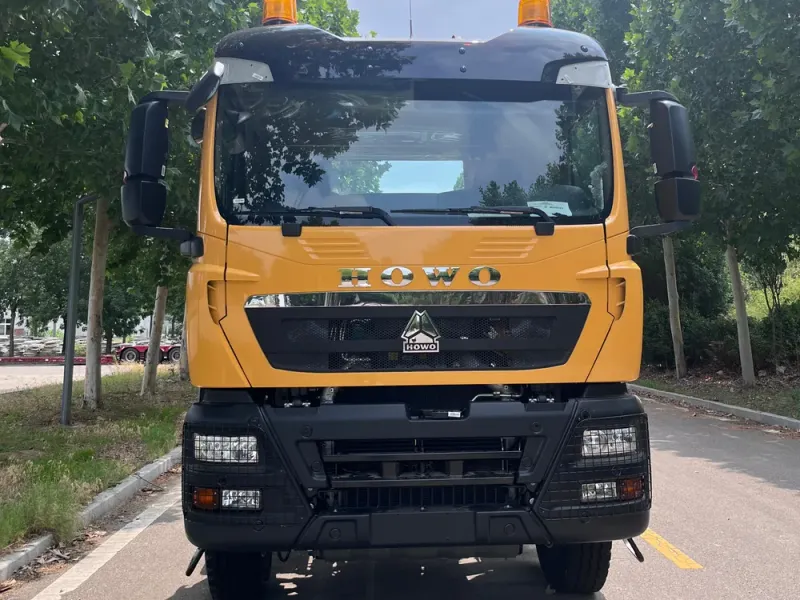
HOWO vs FAW vs SHACMAN: Which Chinese Truck Brand Fits Your African Work?
A side-by-side comparison of the three Chinese heavy-truck brands African buyers meet most: HOWO, FAW and SHACMAN — engines, gearboxes, cabs, parts networks and price — with a straight answer for each job, from quarry dump to long-haul tractor.
Read article →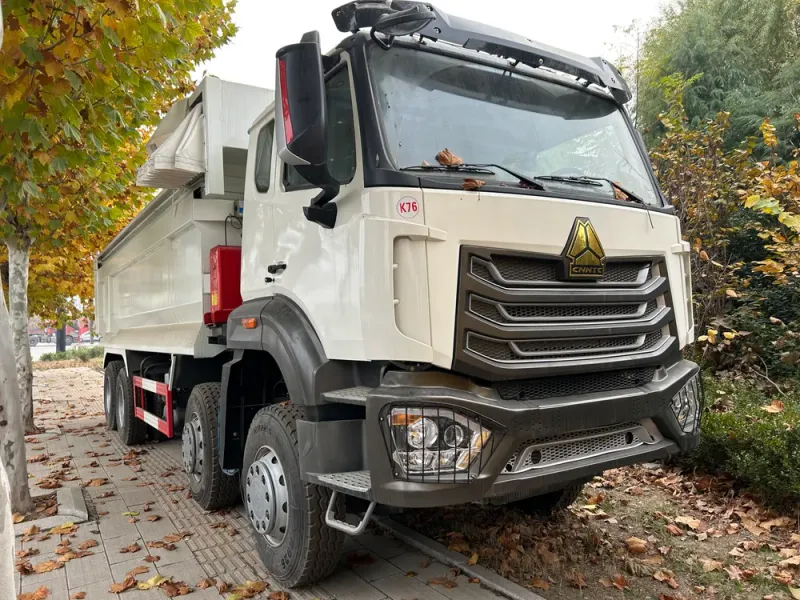
Importing Trucks from China to Ghana: Age Rules, ICUMS, Duties & Tema Port
A practical, step-by-step guide for Ghanaian buyers importing a truck from China: left-hand drive and the 10-year age line, the new 1 October 2026 GSA inspection and Certificate of Conformance, ICUMS clearance at Tema, and the documents to check before you pay.
Read article →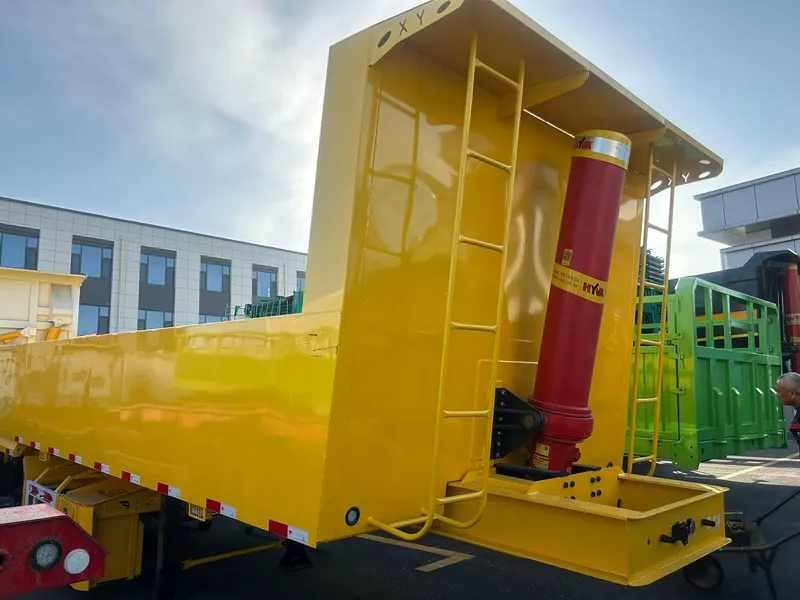
Semi-Trailer Buying Guide for Africa: Flatbed, Tipper, Tanker and Lowbed
A buyer-first guide to semi-trailers for African work: flatbed, tipper, tanker, lowbed and curtain trailers — axles, suspension, kingpin, brakes and how to match the trailer to your tractor — with a pre-payment checklist.
Read article →