
Market insight
Semi-Trailer Buying Guide for Africa: Flatbed, Tipper, Tanker and Lowbed
A buyer-first guide to semi-trailers for African work: flatbed, tipper, tanker, lowbed and curtain trailers — axles, suspension, kingpin, brakes and how to match the trailer to your tractor — with a pre-payment checklist.
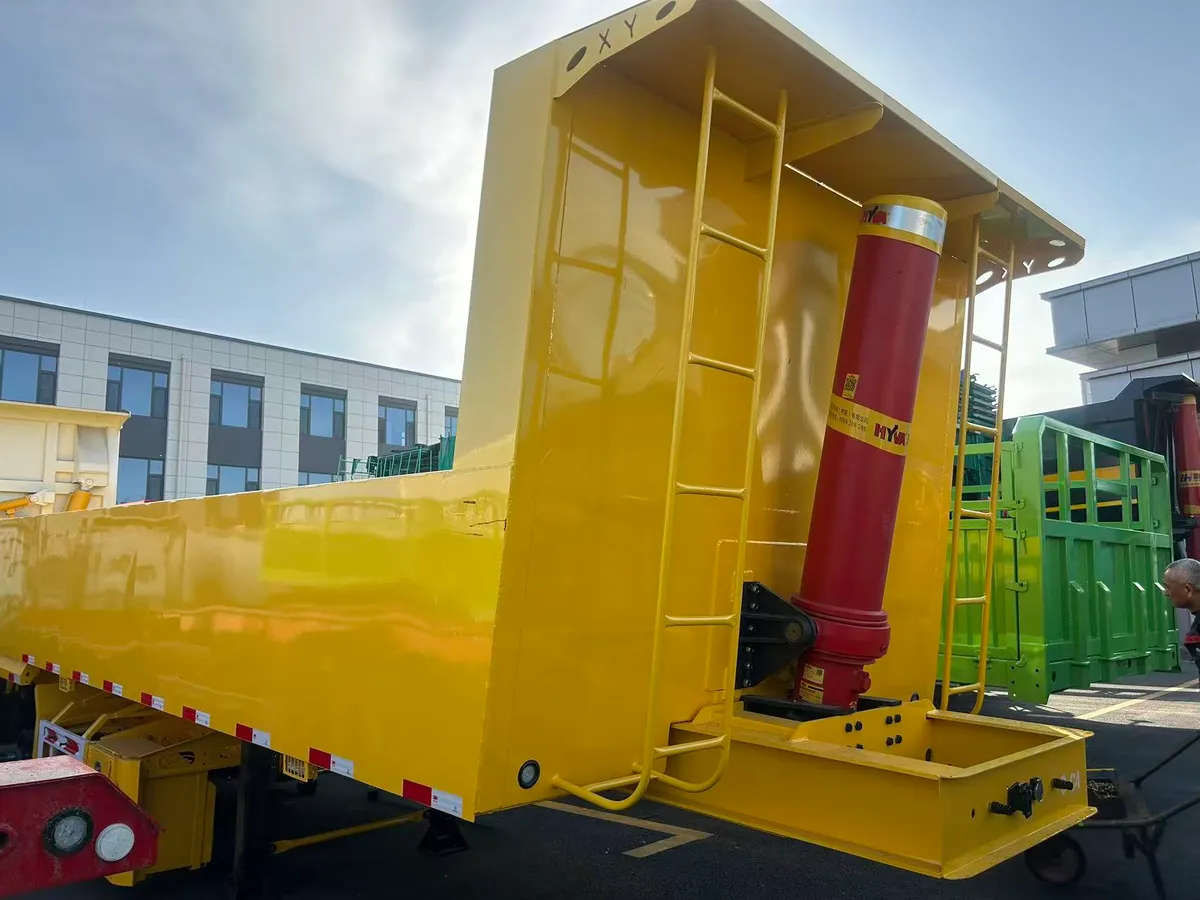
A semi-trailer earns its money differently from any other vehicle on the road: it has no engine, no cab and no driver of its own. It is pulled by a tractor head, and it is the trailer — not the tractor — that carries the load. That one fact decides almost everything about buying one: the type, the axles, the suspension, the kingpin and the brakes all serve the cargo you will carry and the roads you will carry it on. This guide walks through each decision in the order a buyer should make it.
0. Quick verdict
| Cargo | Best semi-trailer starting point |
|---|---|
| Containers, steel, timber, general cargo | 3-axle flatbed, 40 ft, twist locks |
| Sand, gravel, ore, aggregate | 3-axle tipper (rear tipper), heavy-duty hydraulics |
| Fuel, water, edible oil | 3-axle tanker, certified tank |
| Excavators, loaders, heavy machines | 3-axle lowbed, low deck height |
| Pallets, boxed goods, dry cargo | 3-axle curtain or box semi-trailer |
| Heavy indivisible loads | 4-axle lowbed or extendable lowbed |
| Light regional work on good roads | 2-axle flatbed or curtain trailer |
These are starting points. The exact axles, suspension, kingpin and brakes decide whether the trailer survives your roads.
1. What a semi-trailer is — and what it is not
A semi-trailer is a trailer with no front axle of its own: its front end rests on the tractor's fifth wheel, and its rear end rides on its own axles. It is sold as a unit with a tractor, or on its own for a buyer who already owns a tractor. Common African listings are flatbeds, tippers, tankers, lowbeds and curtain trailers, in new and used condition, mostly 3-axle and some 2-axle or 4-axle.
A semi-trailer is not a rigid truck. It cannot move without a tractor, and its value depends on the tractor that will pull it. Before you compare trailers, decide which tractor you will use — because the fifth wheel, the kingpin, the air and electrical connections and the braking system all have to match.
2. The five types, side by side
| Type | What it carries | Typical axles | Best for | Watch out for |
|---|---|---|---|---|
| Flatbed | Containers, steel, timber, general cargo | 3-axle | Containers and general cargo on mixed routes | Twist locks, deck condition, load securing points |
| Tipper | Sand, gravel, ore, aggregate | 3-axle | Quarry, mine and site work | Hydraulic cylinder, body wear, tipping stability |
| Tanker | Fuel, water, edible oil | 3-axle | Fuel and liquid delivery | Tank certification, valves, leaks, baffles |
| Lowbed | Excavators, loaders, heavy machines | 3-axle (4-axle for heavy loads) | Heavy machines and tall loads | Deck height, loading ramps, kingpin size |
| Curtain / box | Pallets, boxed goods, dry cargo | 3-axle | Dry cargo, weather protection | Curtain condition, roof, floor, door seals |
A tipper semi-trailer is not a dump truck: the tipping body sits on a trailer chassis and needs a tractor to move it. A tanker semi-trailer is not a tanker truck: the tank sits on a trailer chassis and needs a tractor to move it. Buy the trailer type for the cargo, not the name.
3. Axles: 2 vs 3 vs 4
| 2-axle | 3-axle | 4-axle | |
|---|---|---|---|
| Payload | Lower — suited to light loads | Standard — the usual African choice | Higher — heavy indivisible loads |
| Tyres | 8 tyres, lower tyre cost | 12 tyres | 16 tyres, highest tyre cost |
| Turning | Tightest turning | Good balance | Widest turning circle |
| Road wear and legality | Easiest on axle-load limits | Standard compliance | Check your country's axle-load rules first |
| Best for | Light regional work, good roads | Most African work — the default | Heavy machines, 4-axle lowbeds |
For most African work, the 3-axle trailer is the default. Choose a 2-axle only when your loads are light and your roads are good. Choose a 4-axle only when the load genuinely needs it — the extra tyres, weight and turning circle cost money every day.
4. Suspension: mechanical leaf spring vs air
| Mechanical leaf spring | Air suspension | |
|---|---|---|
| Cost | Lower purchase price, cheaper parts | Higher purchase price, dearer parts |
| Ride | Harsher on rough roads, more wear on cargo | Smoother, better for fragile cargo and long hauls |
| Maintenance | Simple, repairable almost anywhere | Needs air system care; valves and bags wear |
| Load levelling | Fixed ride height | Adjustable height, easier loading and coupling |
| Lift axle option | Rare | Common — lift the first axle empty to save fuel and tyres |
| Best for | Quarry, site and budget work | Long-haul, containers, fragile cargo |
Mechanical leaf spring suspension is the mainstream choice for African semi-trailers, because it is cheap, simple and repairable anywhere. Air suspension is worth the premium on long-haul and container work, where the smoother ride and the lift axle save tyres and fuel. Ask which suspension the exact unit has — listings commonly show one or the other, and the price difference is real.
5. Kingpin, brakes and coupling
The coupling is the single most-checked area on a used semi-trailer:
- Kingpin: most African semi-trailers use a 50 mm (2-inch) kingpin. Heavy lowbed and tipper work sometimes uses a 90 mm (3.5-inch) kingpin. The trailer's kingpin and the tractor's fifth wheel must match — confirm both before you pay.
- Brakes: drum brakes are the common African standard — simple, cheap and repairable anywhere. Disc brakes stop better and run cooler on long descents, but cost more and need the right parts. Ask whether the trailer has ABS, and check that the braking system matches your tractor's air and electrical connections.
- Landing gear: the legs that hold the trailer up when it is uncoupled. Check them for bends, rust and smooth operation — a trailer that cannot stand on its own is a problem at every loading point.
- Twist locks and load securing: on flatbeds, check every twist lock for wear and smooth locking. On all trailers, check the lashing rings, side posts and stake pockets — a trailer that cannot secure its load is a safety failure.
- Lights and electrics: check every light, reflector and the electrical plug. A trailer with dead lights is a fine waiting to happen — and a danger at night.
6. Matching the trailer to the tractor
A trailer that cannot work with your tractor is useless, however cheap it is. Check these before payment:
- Fifth wheel and kingpin: the sizes must match (50 mm or 90 mm), and the coupling height must suit the trailer. A mismatch loads the trailer unevenly and wears tyres.
- Air and electrical connections: the tractor's air lines and electrical plug must match the trailer's. Ask for photos of both sides of the connection.
- GCW (gross combination weight): the plated maximum weight of tractor plus trailer plus load. Commonly listed 6x4 tractor combinations are plated around 40–49 tonnes depending on the country and the trailer axles — but the legal limit is set by your destination country's rules, not by the plate. Confirm the legal GCW on your routes with a licensed clearing or transport agent before you buy.
- Deck height and ramps: on lowbeds, check the deck height and the loading ramps against the machines you will carry. A lowbed that cannot load your excavator is a very expensive mistake.
- Trailer age and import rules: some countries apply age or roadworthiness rules to trailers as well as to tractors. Confirm the current rules for your destination with a licensed clearing agent before you pay.
7. Price: contact-for-price, and the landed cost
Prices for semi-trailers on YITE Auto are contact-for-price. A quote is only comparable when it covers the same things: exact type, axle count, suspension, dimensions, condition, FOB or CIF terms, shipping, insurance, inspection and clearance documents. The landed cost is trailer price + freight + insurance + inspection + duty + clearance + inland transport. A lower trailer price that excludes freight and inspection is not a lower landed cost.
8. Pre-payment checklist
- What cargo will this trailer carry every day, and how heavy is it?
- Which type — flatbed, tipper, tanker, lowbed or curtain — and how many axles?
- Mechanical leaf spring or air suspension — and does the choice match the roads?
- Kingpin size, brakes, landing gear, twist locks — all working and matching your tractor?
- What is the legal GCW on your routes, and does the combination comply?
- Does the trailer meet your country's age and roadworthiness rules?
- What is the full landed cost, in writing, with FOB or CIF stated?
- What inspection report, photos and documents come before payment?
9. FAQ
- 2-axle, 3-axle or 4-axle? 3-axle is the default for most African work. 2-axle only for light loads on good roads; 4-axle only when the load genuinely needs it.
- Leaf spring or air suspension? Leaf spring for quarry, site and budget work — cheap and repairable anywhere. Air for long-haul and containers — smoother ride, lift axle, but dearer parts.
- 50 mm or 90 mm kingpin? 50 mm suits most flatbed, tipper and tanker work. 90 mm is for heavy lowbed and heavy tipper work — and it must match your tractor's fifth wheel.
- Does the trailer come with a tractor? Usually not — tractors and semi-trailers are commonly sold separately. Confirm whether the price includes a tractor, and if so, which one.
- What should I check first on a used semi-trailer? Kingpin, brakes, landing gear, suspension, chassis for cracks, and the deck or body for wear. See our used-truck inspection checklist — the same discipline applies to trailers.
- Can I buy a trailer before I have a tractor? Yes, but confirm the fifth wheel, kingpin, air and electrical match with the tractor you plan to buy — a mismatch is expensive to fix after the fact.
References
- YITE Auto — semi-trailer listings, contact-for-price. https://www.yiteauto.com/en/trucks
- Kenya Revenue Authority — vehicle import rules and duties (age limit and tax structure). https://www.kra.go.ke/
Internal links
Keep reading
FOTON Buying Guide for Africa: Auman Series and How to Choose the Right One
A buyer-first guide to the FOTON range for African work: Auman EST, GTL and Galaxy, Cummins ISG engines, tractor vs dump vs cargo, and how to match the exact configuration to long-haul, construction and regional jobs — with a pre-payment checklist.
Read article →
FAW Buying Guide for Africa: J6P, JH6 and How to Match Them to African Work
A buyer-first guide to the FAW range for African work: J6P and JH6, dump vs tractor, FAWDE and Weichai engines, and how to match the exact configuration to construction, mining and long-haul jobs — with a pre-payment checklist.
Read article →
How to Verify a Chinese Truck Supplier Before You Pay
A step-by-step guide to checking a Chinese truck supplier before payment: business license and export record checks, video inspection of the actual unit, third-party inspection, TT and LC payment terms, scam red flags, and the documents to demand before any money moves.
Read article →