
Market insight
FAW Buying Guide for Africa: J6P, JH6 and How to Match Them to African Work
A buyer-first guide to the FAW range for African work: J6P and JH6, dump vs tractor, FAWDE and Weichai engines, and how to match the exact configuration to construction, mining and long-haul jobs — with a pre-payment checklist.
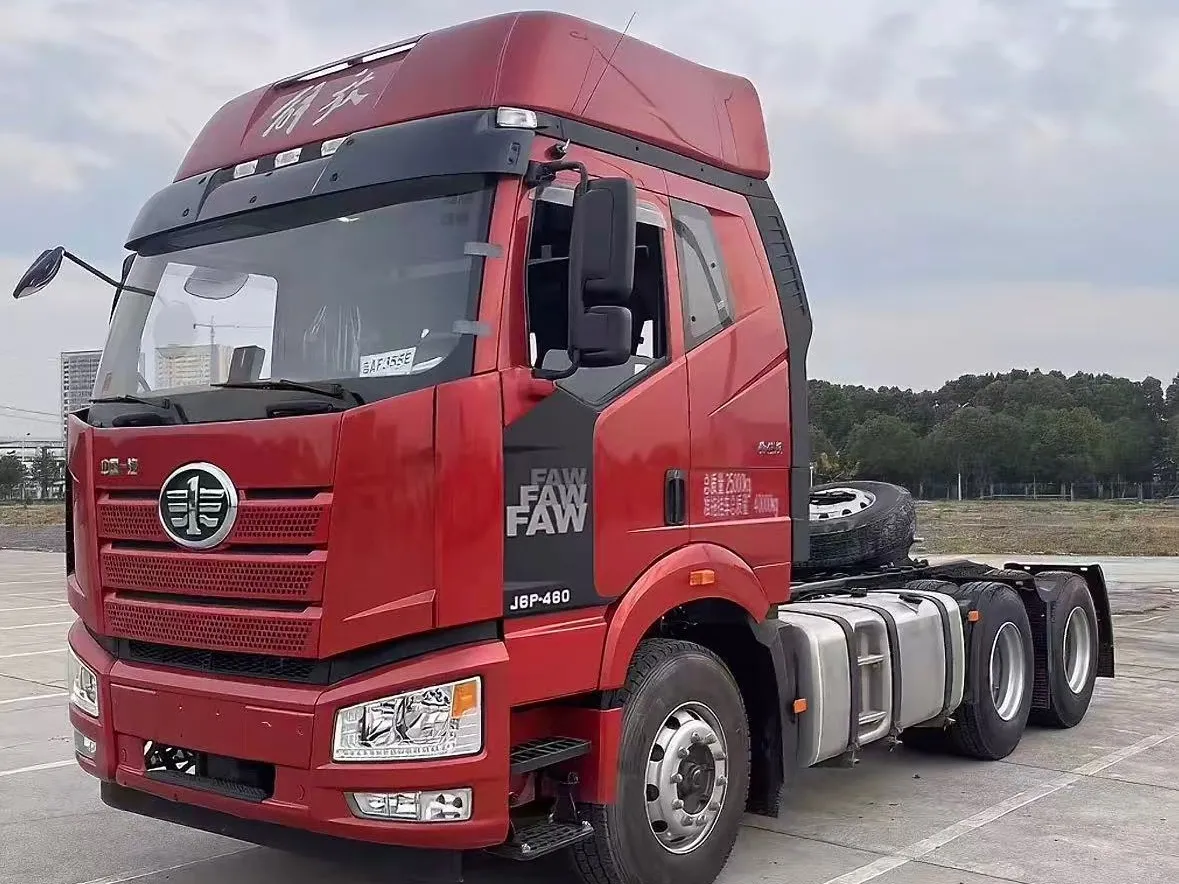
FAW is the oldest truck name in China — FAW Jiefang built the country's first truck — and its J6P and JH6 heavy trucks are now a common sight on African roads, working the same construction sites, quarries and highways as HOWO and SHACMAN. The badge alone tells you very little, though. "FAW" covers two different heavy product lines, engines from two makers, and a wide spread of power, drive and body options. This guide helps you pick the truck that fits your job, not just the badge.
0. Quick verdict
| Job | Best FAW starting point |
|---|---|
| Quarry, mine haul, site earthmoving | J6P 8x4 dump, 420–500 HP class |
| Urban construction and short site hauls | J6P 6x4 dump, 350–420 HP class |
| Long-haul containers and flatbeds | JH6 6x4 tractor head, 420–500 HP class |
| Heavy long-haul with hills | JH6 6x4 tractor, higher-output engine, heavy-duty axle ratio |
| Mixed work on a tight budget | J6P 6x4 dump or tractor, confirmed unit condition |
| Concrete and mixer work | J6P 6x4 or 8x4 mixer chassis, 350–420 HP class |
| Regional cargo and refrigerated transport | J6P 6x4 cargo or reefer chassis, 350–420 HP class |
These are starting points. The exact engine, gearbox, axle ratio and body decide whether a truck survives your roads.
1. What "FAW" actually means
FAW is short for First Automotive Works, and FAW Jiefang is its commercial-vehicle arm — one of China's largest heavy-truck makers. The heavy range sold into Africa is built around two lines:
- J6P: the long-running workhorse line. The most common FAW you will see on African roads, sold as dump trucks, tractor heads, mixers, cargo trucks and refrigerated trucks, in new and used condition. It is the proven, lower-cost FAW.
- JH6: the newer, higher-spec line, positioned above the J6P. A more modern cab, more comfort equipment and higher-output engines. It costs more than an equivalent J6P and is the usual pick for long-haul and heavy work.
FAW also sells lighter lines (J6L, J6F) for regional cargo and urban delivery, but the African export trade is dominated by the J6P and JH6 heavy trucks. Because listings mix new, used and refurbished trucks across both lines, always ask for the engine model, horsepower, gearbox, axle, emission standard and year of the specific unit — not the platform brochure.
2. The ranges, side by side
| Line | Typical drive | Typical power class | Best for | Watch out for |
|---|---|---|---|---|
| J6P dump 6x4 | 6x4 | 350–420 HP | Urban construction, short site hauls | Body volume vs payload, tipper hydraulics |
| J6P dump 8x4 | 8x4 | 420–500 HP | Mining, quarry, heavy earthmoving | Tyre cost (12 tyres), turning circle on tight sites |
| J6P tractor 6x4 | 6x4 | 350–500 HP | Containers, flatbeds, tipper semi-trailers | Fifth-wheel condition, trailer compatibility |
| J6P mixer 6x4 / 8x4 | 6x4 / 8x4 | 350–420 HP | Concrete and site work | Mixer drum condition, PTO and hydraulics |
| JH6 tractor 6x4 | 6x4 | 420–550 HP | Long-haul, heavy loads, hills | Axle ratio for hills, sleeper cab condition |
| JH6 dump 8x4 | 8x4 | 420–500 HP | Heavy mining and quarry haul | Higher price, check drum and body just as carefully |
Power figures here are the classes commonly shown on exporter listings. The exact horsepower of the unit you buy is on its engine plate — confirm it before you pay.
3. Dump vs tractor vs rigid: which one for your job
- Dump truck: the truck carries the load in its own body. It is the right choice for quarry, mine and site work, where the truck loads, hauls a short distance and tips. A 6x4 dump suits urban and short-haul work; an 8x4 dump suits heavy payloads and rough ground.
- Tractor head (prime mover): the truck pulls a semi-trailer. It is the right choice for long-haul containers, flatbeds and tipper semi-trailers, where the trailer — not the truck — carries the load. A tractor earns its money on distance; a dump earns its money on cycles.
- Rigid cargo, mixer and reefer trucks: the truck carries its own load on a fixed body — a cargo box, a mixer drum or a refrigerated box. Choose these when the work is a fixed body job: concrete delivery, cold-chain transport, or regional cargo that does not need a trailer.
- Do not buy a dump to do a tractor's job, or the reverse. A dump chassis cannot pull a semi-trailer, and a tractor without a trailer carries nothing. Decide the work first, then the truck type.
4. Engines: FAWDE CA6DM vs Weichai WP10 / WP12
FAW trucks are commonly listed with two engine families:
- FAWDE CA6DM: FAW's own heavy-duty engine family, the most common engine on J6P and JH6 units. The CA6DM2 is commonly listed around 350–420 HP and the CA6DM3 around 420–550 HP. Parts and mechanics who know FAWDE are widely available in most African truck markets where FAW has a presence — but confirm this for your exact location, because FAW's parts network is thinner than HOWO's in some markets.
- Weichai WP10 / WP12: offered on some J6P units, commonly 336–375 HP for the WP10 and 375–430 HP for the WP12. A Weichai-powered FAW can be a good buy where Weichai parts are easy to find, because the same engine family powers large numbers of HOWO and SHACMAN trucks.
Gearboxes are commonly FAW 12-speed manuals, with some units listed with Fast (Shaanxi Fast) boxes. Confirm the exact gearbox, axle ratio and emission standard on the unit you buy — the same model line is sold with several combinations.
5. Match the truck to the job
- Construction and site work: a J6P 6x4 dump is the default. It turns tighter, costs less to run, and parts are the easiest to find. Go 8x4 only when payload or ground conditions demand it.
- Mining and quarry haul: choose the J6P or JH6 8x4 dump with the higher-output engine and the heavy-duty axle ratio. Check ground clearance, suspension and tyre condition — these decide uptime on unpaved haul roads.
- Long-haul tractor work: the JH6 6x4 tractor is the usual pick, with a 12-speed box and a sleeper cab. Confirm the fifth wheel, the trailer type you will pull, and whether your routes need air conditioning that actually works.
- Concrete and mixer work: a J6P mixer chassis is the usual choice. Check the drum, the PTO and the hydraulics as carefully as the engine — a worn drum is an expensive repair.
- Budget mixed work: the J6P is a fair choice, but only with a confirmed inspection. A cheap truck with a worn engine is the most expensive truck you will ever buy.
6. Drive side, age and emissions — check before you buy
Most African markets drive on the left and require right-hand drive (RHD). Some markets allow left-hand drive for special-purpose vehicles only. Age limits and emission rules vary by country and change over time: Kenya, for example, limits imported vehicles to 8 years from first registration, while other countries price age through extra excise instead of banning older trucks. Always confirm the current age, drive-side and emission rules for your destination with a licensed clearing agent before you pay — a truck that cannot clear the port is the most expensive mistake in this guide.
7. Price: contact-for-price, and the landed cost
Prices for FAW trucks on YITE Auto are contact-for-price. A quote is only comparable when it covers the same things: exact model and year, condition, FOB or CIF terms, shipping, insurance, inspection and clearance documents. The landed cost is truck price + freight + insurance + inspection + duty + clearance + inland transport. A lower truck price that excludes freight and inspection is not a lower landed cost.
8. Pre-payment checklist
- What job, roads and load will this truck do every day?
- Which line — J6P or JH6 — and what is the exact engine, horsepower, gearbox, axle ratio and emission standard?
- Dump, tractor or rigid — and does the body or fifth wheel match the work?
- Is it RHD, and does it meet your country's age and emission rules?
- What is the full landed cost, in writing, with FOB or CIF stated?
- Who supplies parts for this exact model where the truck will work?
- What inspection report, photos and documents come before payment?
9. FAQ
- Is FAW as good as HOWO or SHACMAN? All three are mainstream Chinese heavy trucks. Compare the two actual units — engine, year, condition and local parts — rather than the badges. See our side-by-side comparison of HOWO and SHACMAN, and check FAW parts supply in your market before you buy.
- J6P or JH6? J6P for proven, lower-cost workhorse duty; JH6 for long-haul, heavy loads and driver comfort. The JH6 costs more — make sure the work justifies it.
- What horsepower do I need? 350–420 HP suits urban and light site work; 420–550 HP suits heavy dump, mining and long-haul tractor work.
- FAWDE or Weichai? FAWDE is the standard FAW engine and the safe default where FAW parts are stocked. A Weichai-powered FAW is worth considering where Weichai parts and mechanics are easier to find than FAWDE ones.
- Can I get a FAW in right-hand drive? RHD FAW units are listed for African markets, but availability is unit-specific — confirm the steering side on the exact listing.
References
- FAW Group — Jiefang truck range. https://www.faw.com/
- Weichai Power — WP10 / WP12 heavy-duty diesel engine range. https://www.weichai.com/
- YITE Auto — FAW listings, contact-for-price. https://www.yiteauto.com/en/trucks
- Kenya Revenue Authority — vehicle import rules and duties (age limit and tax structure). https://www.kra.go.ke/
Internal links
Keep reading
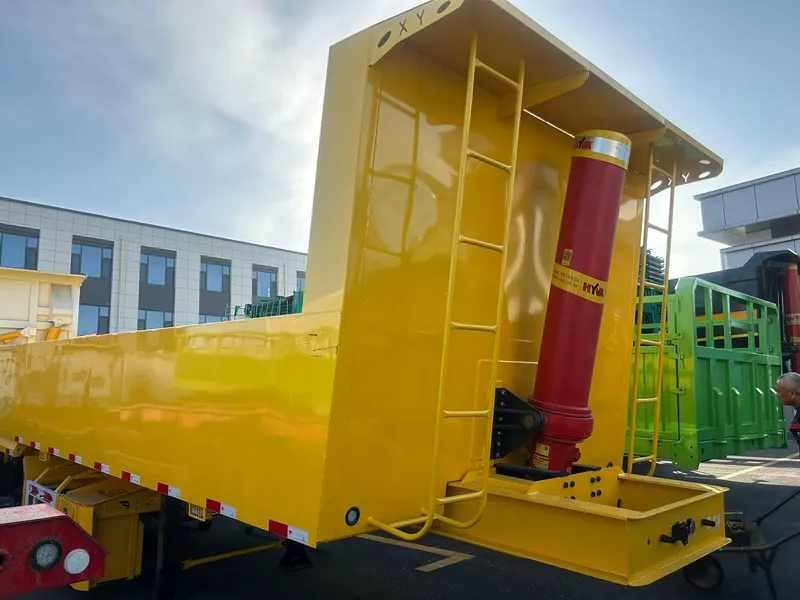
Semi-Trailer Buying Guide for Africa: Flatbed, Tipper, Tanker and Lowbed
A buyer-first guide to semi-trailers for African work: flatbed, tipper, tanker, lowbed and curtain trailers — axles, suspension, kingpin, brakes and how to match the trailer to your tractor — with a pre-payment checklist.
Read article →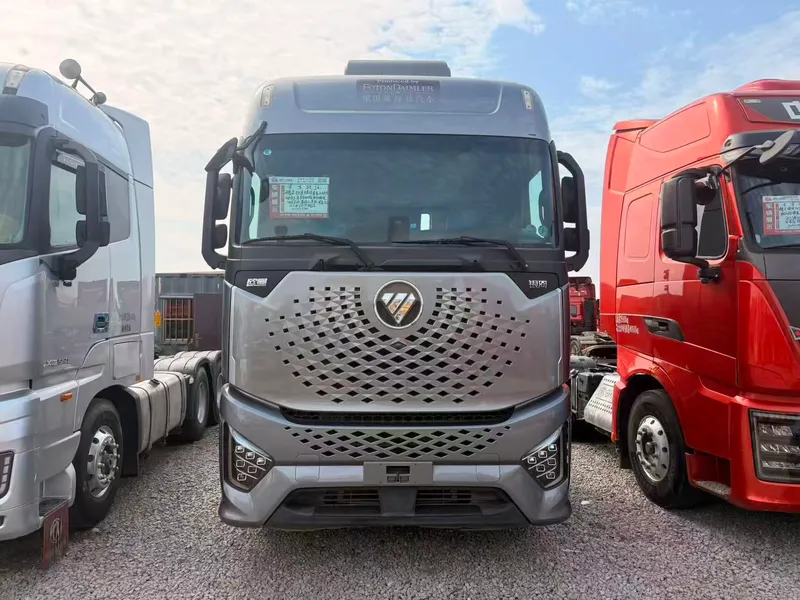
FOTON Buying Guide for Africa: Auman Series and How to Choose the Right One
A buyer-first guide to the FOTON range for African work: Auman EST, GTL and Galaxy, Cummins ISG engines, tractor vs dump vs cargo, and how to match the exact configuration to long-haul, construction and regional jobs — with a pre-payment checklist.
Read article →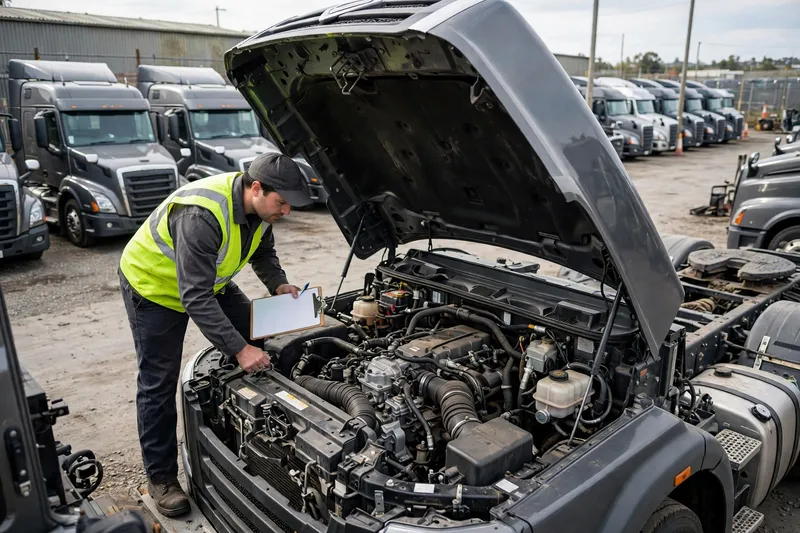
How to Verify a Chinese Truck Supplier Before You Pay
A step-by-step guide to checking a Chinese truck supplier before payment: business license and export record checks, video inspection of the actual unit, third-party inspection, TT and LC payment terms, scam red flags, and the documents to demand before any money moves.
Read article →