
Market insight
Spare Parts and After-Sales for Trucks in Africa: 5 Questions to Ask Before Buying
Buying the truck is only the start — uptime depends on parts and after-sales. Ask 5 questions first: parc size, local stock, repair channels, and warranty.
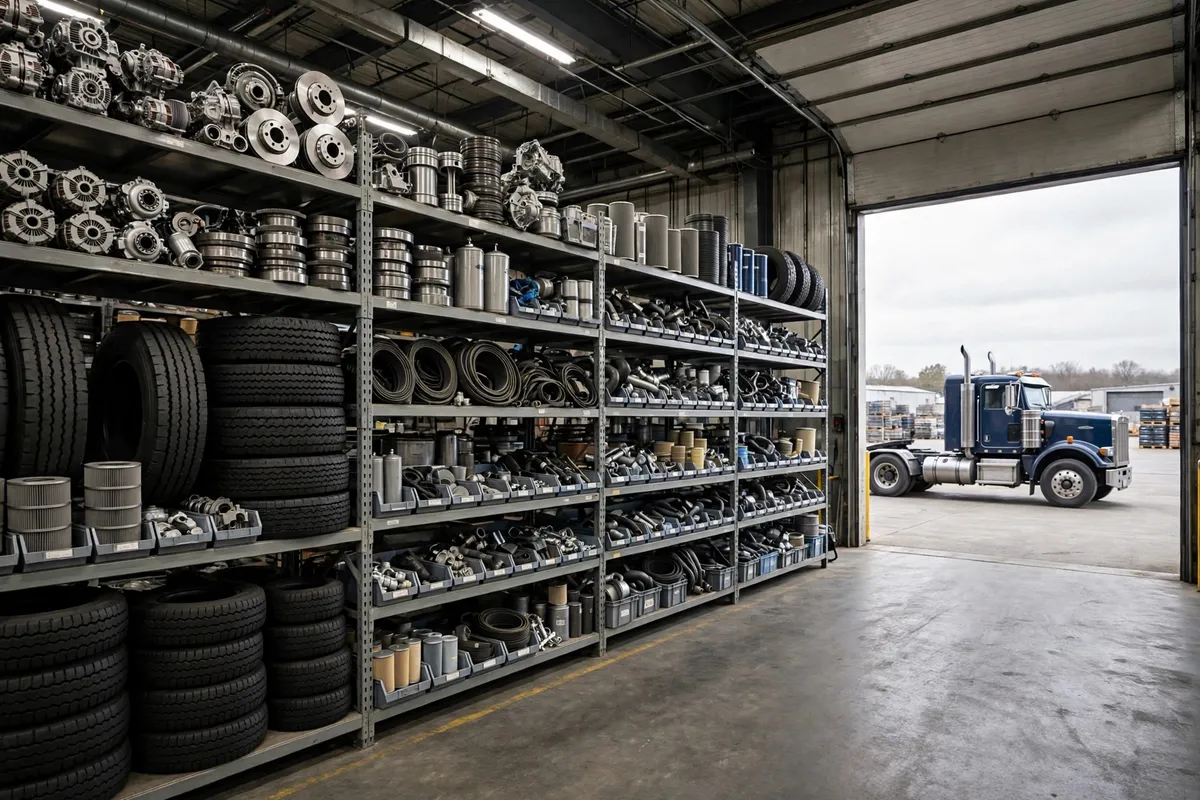
Many buyers compare only the truck price, then discover after delivery: one part takes a month to arrive, nobody locally can repair it, and a small fault leaves the truck idle. A heavy truck is a production tool — uptime is income — so parts and after-sales must be settled before buying.
Powertrain parc size.
First ask how many vehicles with this model and powertrain combination exist in your country. A large parc means fast-moving parts and mechanics who know the truck; a small parc means even a cheap truck can wait weeks for a single part.
Local parts stock.
Ask the supplier or local dealer: are common parts (filters, brake pads, clutch plates, belts, bulbs) stocked locally, and to what depth? Stocking only filters is a completely different level of cover from stocking major assemblies.
Repair channels.
When the truck breaks, who repairs it — an authorized service station, an independent workshop, or only a technician sent by the supplier? Confirm the nearest repair point, labour rates, and whether they can handle this model's electronic control systems.
Warranty scope.
What the warranty covers, what it excludes, for how long and for how many kilometres must all be written into the contract. Note in particular: consumables, tyres and damage from road conditions or overloading are usually excluded — do not discover that only when claiming.
Consumables and running costs.
Build the first year's consumables into the purchase budget: tyres, filters, brake pads, clutch plates and fluids. On mostly unpaved roads, tyres and suspension parts wear faster; only with these included do you see the truck's true ownership cost.
Conclusion
ask these 5 questions one by one and get them into the contract before comparing prices. A cheap truck with no parts backup costs more in the long run. When contacting sellers on YITE Auto, you can send these 5 questions directly — the more specific their answers, the more reliable their after-sales.
First-year onboard spares kit: buy it with the truck
Parts are always most expensive when you need them urgently. Ordering this first-year kit with the truck costs far less than air-freighting parts after a breakdown:
- 2 sets each of oil, air and fuel filters
- 1 set of brake pads
- 1 clutch plate
- 1 fan belt and 1 alternator belt
- 1 box of bulbs and fuses
- 1 set of lifting-cylinder seals (for dump trucks)
- 1 set of common sensors
Shipping with the truck also saves a separate clearance and freight bill, and bundled pricing is easier to negotiate. Quantities are per truck per year — scale by fleet size.
Authorized stations vs independent workshops
When the truck breaks, the two repair channels trade off.
| Channel | Strengths | Weaknesses |
|---|---|---|
| Authorized stations | genuine parts, brand-trained technicians, full electronic diagnostics | few locations, high labour rates, weak coverage in remote areas |
| Independent workshops | close to mines and jobsites, fast response, low labour rates | mixed parts sourcing, and difficult electronic faults may be beyond them |
The safe split: first service and electronic faults go to the authorized station, routine maintenance and consumables go to an independent workshop that knows the model. Before signing, get both channels' real coverage in your country in writing — if the nearest repair point is over 200 km away, add one more set to the spares kit.
Claim process: four steps when something breaks
When a breakdown needs a warranty claim, do not dismantle or repair first — follow four steps:
- photograph the evidence — the faulty part, the dashboard warning and the odometer
- protect the scene — stop the truck if possible, so a small fault does not become a major repair
- report through the contract channel — authorized station or supplier technician, as the contract states
- parts first — common parts from local stock, special parts by air or sea depending on the cost of downtime
Submit the claim file complete at once: purchase contract, warranty terms, fault photos, maintenance records — each missing item adds another round of waiting. Done this way, the warranty is a working term, not paper.
References
[1] Weichai Official, "Support" (global service network and genuine parts)
[2] HOWO Trucks, "Dump, Tractor, Cargo & Special Vehicles"
[3] The Star, "KEBS issues new verification requirement on used vehicle imports"
Maintenance under African duty cycles: Heavy Truck Maintenance Guide for Harsh Conditions. Buying framework: 5 Buyer Questions When Importing Chinese Heavy Trucks to Africa. Body type choice: Dump / Tractor / Tanker Guide. Browse trucks.
Keep reading
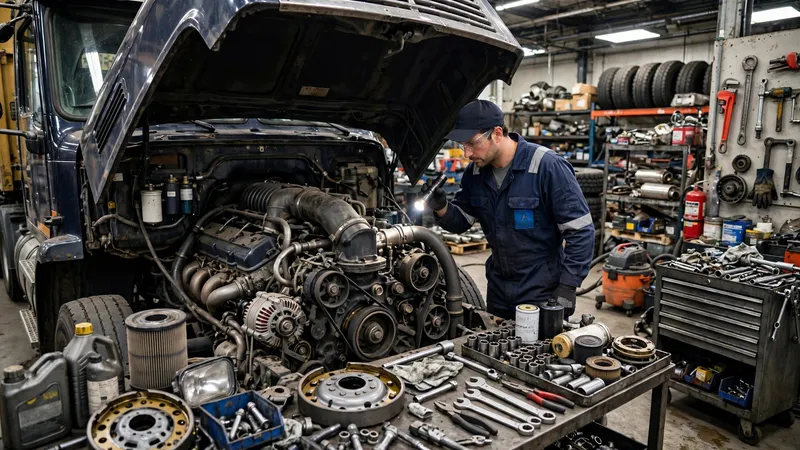
Refurbished vs Used Chinese Trucks: What "Refurbished" Actually Means
"Refurbished" ranges from a fresh coat of paint to a documented mechanical rebuild. This guide explains the three levels, the inspection checklist, and the documents that prove job-readiness before payment.
Read article →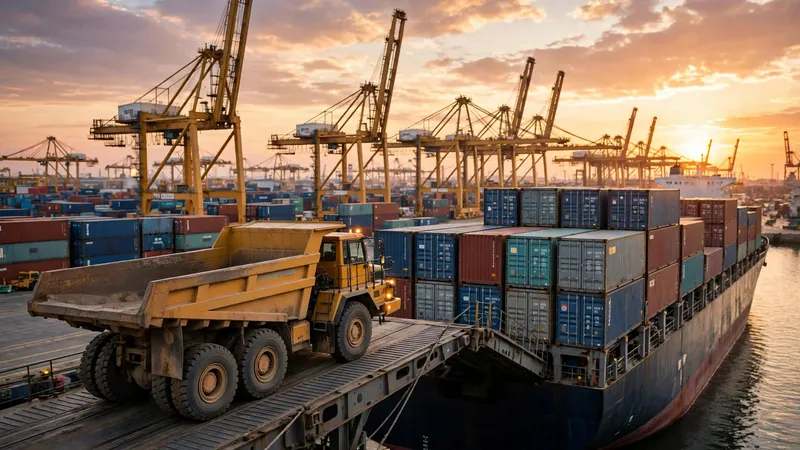
Importing Trucks from China to Nigeria: SONCAP, Form M, Duties & Lagos Port
A practical, step-by-step guide for Nigerian buyers importing a truck from China: LHD and age rules, SONCAP, Form M and PAAR, Lagos clearance, and the documents to check before you pay.
Read article →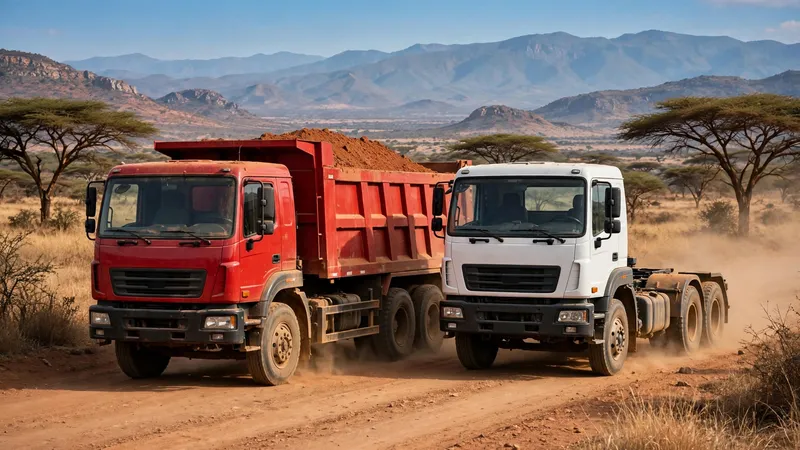
HOWO vs SHACMAN: Which Used Dump Truck Should You Buy?
A buyer-first comparison of SINOTRUK HOWO and SHACMAN for African work: engines, chassis, cabins, parts, and which jobs suit each brand — with a checklist to compare exact configurations, not just brand names.
Read article →