
Market insight
Importing Heavy Trucks from China to Africa: 5 Questions Buyers Should Ask First
Importing a Chinese heavy truck to Africa? Clear these 5 questions first: driving side, age limits, landed cost, documents, and after-sales parts.

Africa is becoming the largest overseas market for Chinese heavy trucks. Customs data shows that in 2025, China exported 145,700 heavy trucks to Africa, up 60.65% year on year, and industry forecasts put Africa at roughly 45% of China's total heavy truck exports in 2026. Mining, infrastructure and logistics are driving this growth, and more African buyers are purchasing trucks directly from China for the first time. But for first-time importers, the most common pitfalls are usually not the sticker price — they are in vehicle selection, documents and landed cost. Here are the 5 questions worth clearing up before you place an order.
Driving side first: left-hand drive or right-hand drive?
African countries do not share one traffic system. Nigeria, Senegal and others drive on the right with left-hand-drive vehicles, matching Chinese specifications, so no steering conversion is needed. South Africa, Kenya and others drive on the left and register right-hand-drive vehicles, which require a right-hand-drive version plus adaptation of headlights, mirrors and other left-right differences. Steering adaptation is upfront work and an upfront cost — confirm it at the selection stage, not after the truck arrives at port and cannot be registered.
New or used: check the age limit first
Many African countries set age limits on used vehicle imports — for example, Senegal generally requires used vehicles to be 5 to 8 years old (depending on vehicle type and policy cycle). New trucks carry no such restriction but cost more; used trucks are cheaper but can get stuck on age and condition inspections. Always verify the destination country's current rules before ordering; do not rely on experience alone.
How is the landed cost calculated?
Do not compare sticker prices alone. Full landed cost generally includes the vehicle price, ocean freight, import duty, VAT and clearance charges. Many countries assess taxes on the CIF (cost, insurance and freight) value, with duties layered on top, so the final on-the-road price can be far higher than the vehicle price. Tax rates follow the destination country's HS codes and current tariff schedule — ask the supplier to itemize them for your destination before signing, rather than accepting a single lump-sum quote.
Get the documents ready before shipping
Incomplete documents are the most common cause of customs delays. You will generally need: the sales contract, commercial invoice, bill of lading, certificate of conformity, vehicle registration and deregistration certificates, and a technical inspection report; new-energy vehicles may also need a dangerous goods declaration for batteries. A single missing document can leave a truck stuck at port and rack up extra charges. Checking each item before shipping is far cheaper than fixing it after arrival.
Agree on after-sales service and parts in advance
A truck is a production tool — every day it is off the road is lost income. Before signing, confirm parts supply channels, whether common parts are stocked locally in Africa, and how after-sales support responds. Spare parts are usually imported per part number and taxed per shipment, outside any whole-vehicle exemption, so this long-term cost belongs in the purchase calculation too.
Conclusion
The African market opportunity is real, but importing is a system project: driving side, age limits, taxes, documents and after-sales — if any one of the five is unconfirmed, it can turn into extra cost. We recommend buyers work through these 5 questions with the supplier one by one before comparing prices. You can also browse trucks for sale on YITE Auto by brand, drive type and price range, and contact sellers directly via WhatsApp to ask these questions up front.
Import timeline: how long from inquiry to on the road
When things run smoothly, the full journey from the first inquiry email to the truck on the road in the destination country usually takes 45 to 60 days: about 1 week for inquiry and quotation comparison, 1 to 2 weeks for contract and production scheduling, 3 to 5 weeks for ocean shipping, and 1 to 2 weeks for clearance and registration. Three stages cause most delays: first, the specification annex keeps changing — fix engine, gearbox, rear axle, tyres and drive side before signing; second, the payment rhythm is unclear — write deposit percentage and balance milestones into the contract; third, clearance documents are only prepared after arrival — they should be ready before loading. A schedule with someone following each step saves more money than squeezing the price.
Sister guides: read the set in order
This article is the overview. Each of the 5 questions has its own detailed guide, best read in import order:
- Right-Hand-Drive Truck Buying Guide: How South African and Kenyan Buyers Should Choose Chinese Heavy Trucks
- Dump Trucks, Tractors and Tankers: How to Choose the Three Work Horses for African Conditions
- How to Order a Chinese Heavy Truck: 7 Steps from Inquiry to Port Delivery
- Used Chinese Heavy Truck Inspection Guide: 8 Checks Before You Pay
- Spare Parts and After-Sales for Trucks in Africa: 5 Questions to Ask Before Buying
- Africa Truck Payment and Financing Guide: TT, Letter of Credit, or Installments
- Nigeria, Kenya, South Africa: Import Duty and Clearance Cost Comparison
- Heavy Truck Maintenance Guide for African Mine and Jobsite Conditions: 10 Keys to Longer Life
Once you know the type you want, browse listed trucks by brand, type and drive side; for specific questions, reach us.
References
[1] Guosen Securities, "Heavy Truck Industry Report: Broad Overseas Market Space", Sohu Auto
[2] ZIM, "Import of Used Cars to West Africa"
[3] Business Today, "KEBS: Only 2019-and-Newer Vehicles to Be Allowed Into Kenya From 2026"
[4] ZStruck, "China Heavy Truck Exports Set to Reach 450,000 Units in 2026"
Keep reading
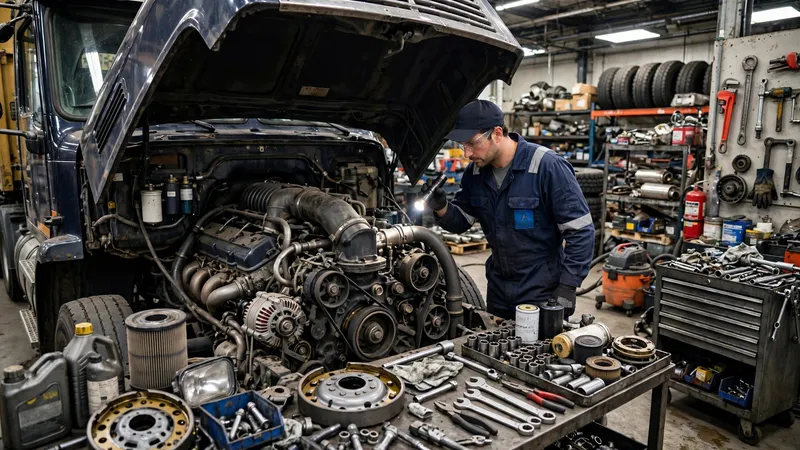
Refurbished vs Used Chinese Trucks: What "Refurbished" Actually Means
"Refurbished" ranges from a fresh coat of paint to a documented mechanical rebuild. This guide explains the three levels, the inspection checklist, and the documents that prove job-readiness before payment.
Read article →
Importing Trucks from China to Nigeria: SONCAP, Form M, Duties & Lagos Port
A practical, step-by-step guide for Nigerian buyers importing a truck from China: LHD and age rules, SONCAP, Form M and PAAR, Lagos clearance, and the documents to check before you pay.
Read article →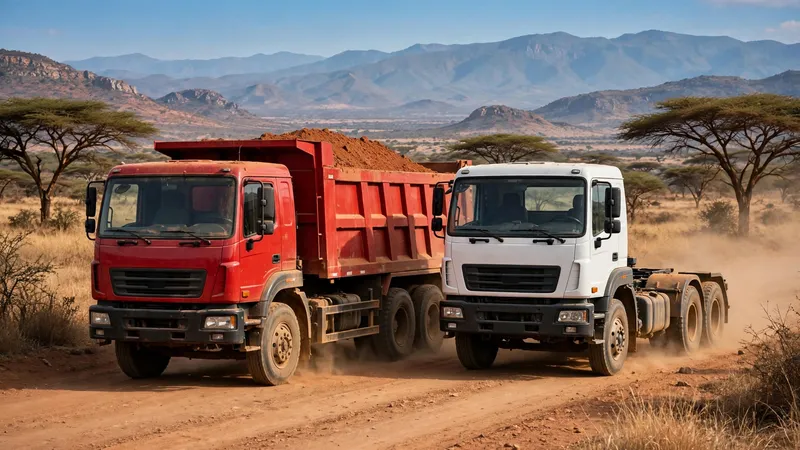
HOWO vs SHACMAN: Which Used Dump Truck Should You Buy?
A buyer-first comparison of SINOTRUK HOWO and SHACMAN for African work: engines, chassis, cabins, parts, and which jobs suit each brand — with a checklist to compare exact configurations, not just brand names.
Read article →