
Market insight
Dump Trucks, Tractors and Tankers: How to Choose the Three Work Horses for African Conditions
Tractors, dump trucks, and tankers suit different African jobs. This guide matches each type to its working conditions, so choose by the job, not price.
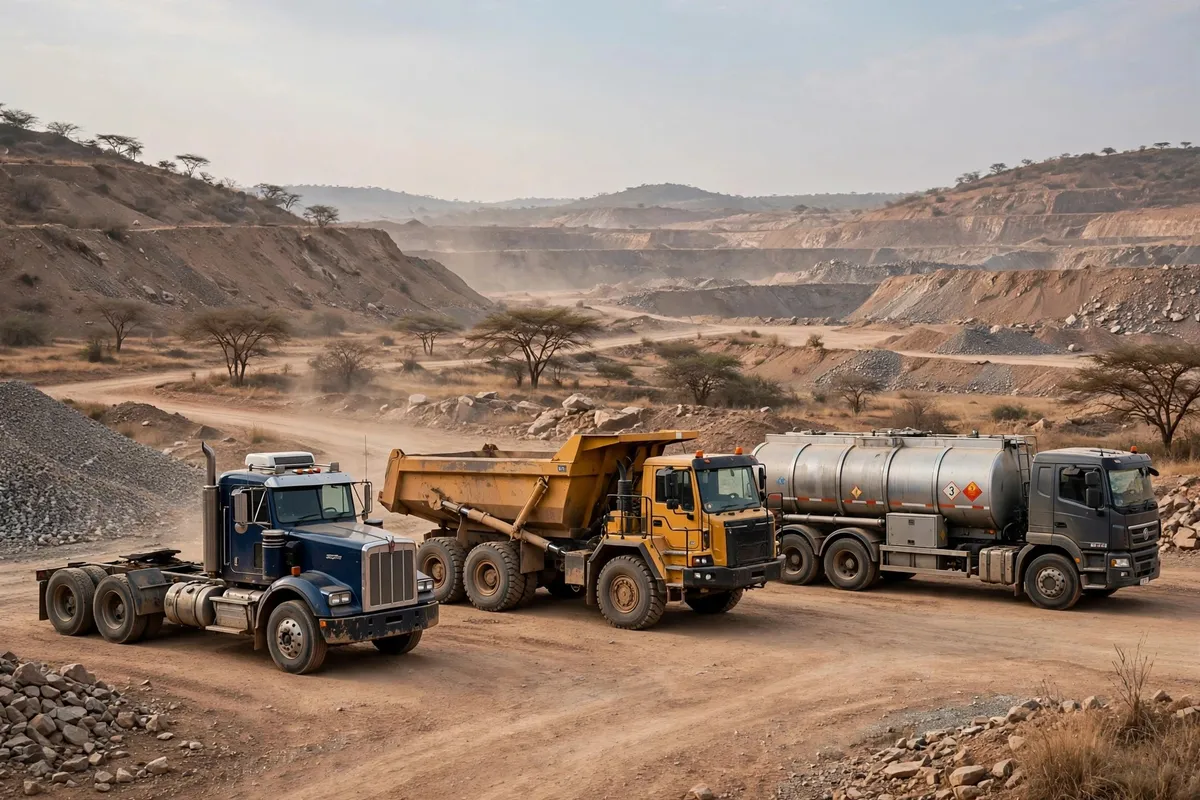
The question African buyers ask most is not about a brand — it is: which type of truck fits my job? Tractor units, dump trucks and tankers are the three most common Chinese heavy trucks in Africa, and they suit completely different jobs. Choosing wrong means long-term waste.
Tractor units: long-haul trunk routes and port collection.
A tractor with a trailer suits long-distance transport between ports and inland cities. Three things matter: engine power (371 to 540 hp is the common range — choose by load and road conditions); gearbox and rear-axle ratio (they decide climbing ability and fuel consumption); and cab comfort (a long-haul driver spends a dozen hours a day in the cab, so the bunk, air conditioning and storage are productivity). For containers and bulk cargo, a 6x4 tractor is the most common starting point.
Dump trucks: the workhorse of mining and construction earthmoving.
Dump trucks suit short-haul heavy-load jobs in mines, quarries and road construction. The focus is not horsepower but: chassis strength and load capacity (an 8x4 heavy-duty chassis is the common choice); cargo box material and the lifting system (wear-resistant steel plates and the reliability of the lifting cylinders directly decide uptime); and tyre specification (unpaved roads mean heavy tyre wear — factor it into operating cost). In mining conditions especially, check the lifting system's brand and after-sales support: a lifting failure stops the whole truck.
Tankers: fuel, chemicals and food transport.
For tankers, safety comes first. Check: tank material and volume (set by the cargo and the volume per trip); whether safety equipment such as explosion-proof fittings, breather valves and emergency shut-off is complete; and whether the discharge method (pump or gravity) matches the receiving facilities at the destination. Vehicles carrying fuel or chemicals must also meet the destination country's registration requirements for dangerous goods transport.
General rule: choose by the job, not by the price.
None of the three types is absolutely better — only better suited to your work. Three general principles: choose a powertrain with a large local parc so parts and repairs are assured; confirm left- or right-hand drive for your destination, with a factory version the safest choice; and write warranty scope, parts supply and after-sales response into the contract before talking price.
Conclusion
tell the supplier your transport scenario — what you carry, how far, and what the roads are like — then choose among the three types above. On YITE Auto you can browse listed tractor units, dump trucks and tankers by type and contact sellers directly via WhatsApp for a quote.
Running-cost comparison across the three types
The purchase price is only the start — running costs decide the real bill. Three expenses are most often underestimated in African conditions; ask the supplier for figures on each before signing:
| Type | Biggest cost | Watch-outs |
|---|---|---|
| Tractor units | fuel on long-haul trunk routes is the biggest item | cab comfort affects driver retention — high driver turnover pushes recruitment and training costs straight up; budget a full set of 10 tyres for a 6x4 and their replacement interval. |
| Dump trucks | tyres wear fastest on unpaved roads | a lifting-cylinder or hydraulics failure stops the whole truck — keep seals and hydraulic hoses in the spares list; cargo-box wear-plate thickness decides the overhaul interval, and money saved on thin plates comes back as repair bills within two years. |
| Tankers | annual tank inspection and periodic calibration of breather valves and emergency shut-off devices are fixed costs that cannot be skipped | a discharge method that does not match the destination's receiving facilities means incomplete unloading or costly secondary transfer. |
Only with these three items in the budget do you see each type's true ownership cost.
Trailer pairing: one tractor, several jobs
A tractor's biggest advantage is swappable trailers: the same 6x4 tractor hauls containers on a flatbed, bulk cargo on a tipper semi-trailer, and liquids on a tanker semi-trailer. A fleet starting out can buy the tractor plus the most-used trailer first, then add trailers as the cargo mix changes — far more flexible than buying three dedicated trucks at once. But confirm fifth-wheel height, electrical connectors and brake compatibility when ordering: a trailer that arrives late or does not connect leaves the tractor waiting too.
References
[1] HOWO Trucks, "Dump, Tractor, Cargo & Special Vehicles"
[2] Weichai Official, "Support" (global service network)
[3] Guosen Securities, "Heavy Truck Industry Report: Broad Overseas Market Space", Sohu Auto
Once you pick a body type, browse trucks for sale. Buying / import frame: 5 Buyer Questions When Importing Chinese Heavy Trucks to Africa. Keep units running: Maintenance Guide for Harsh Conditions and Spare Parts & After-Sales. Order flow: 7 Steps from Inquiry to Port.
Keep reading
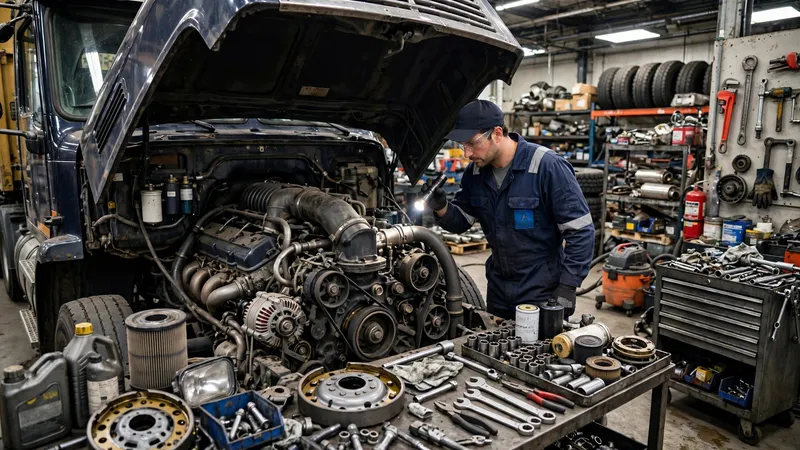
Refurbished vs Used Chinese Trucks: What "Refurbished" Actually Means
"Refurbished" ranges from a fresh coat of paint to a documented mechanical rebuild. This guide explains the three levels, the inspection checklist, and the documents that prove job-readiness before payment.
Read article →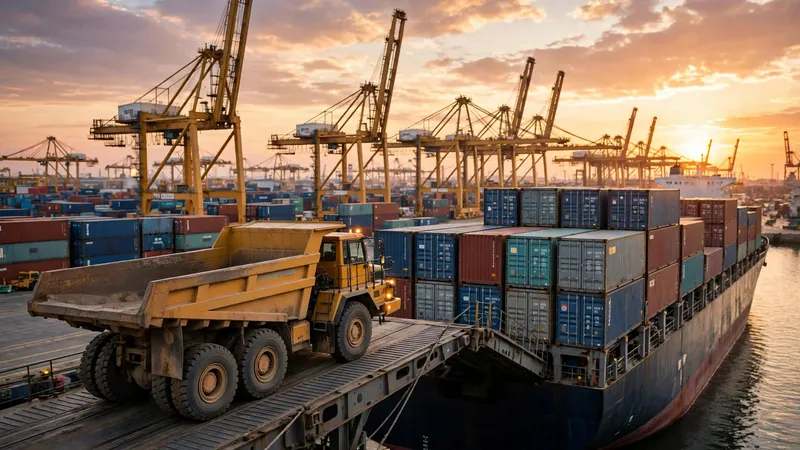
Importing Trucks from China to Nigeria: SONCAP, Form M, Duties & Lagos Port
A practical, step-by-step guide for Nigerian buyers importing a truck from China: LHD and age rules, SONCAP, Form M and PAAR, Lagos clearance, and the documents to check before you pay.
Read article →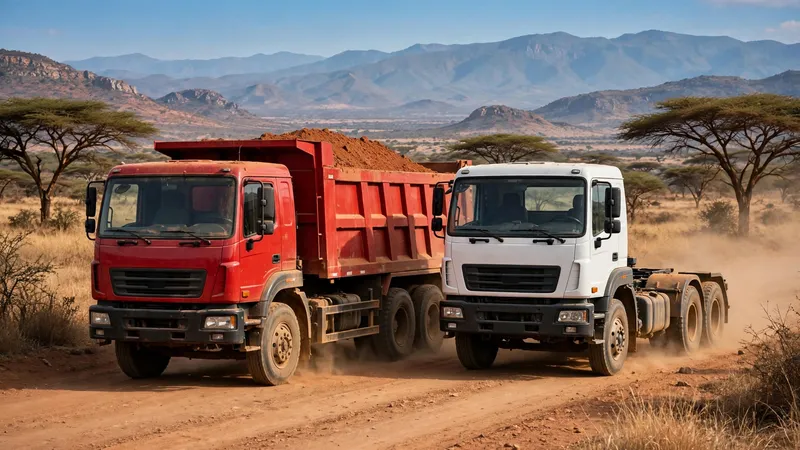
HOWO vs SHACMAN: Which Used Dump Truck Should You Buy?
A buyer-first comparison of SINOTRUK HOWO and SHACMAN for African work: engines, chassis, cabins, parts, and which jobs suit each brand — with a checklist to compare exact configurations, not just brand names.
Read article →